Most execution failures are not failures of will.
They are failures of design.
People try harder when they should try differently. They scale what should be sequenced. They optimise the obvious metric while the real constraint moves to somewhere else they aren't looking. Then they call it a discipline problem.
The Execution Doctrine is a field manual for operators who want to be apt rather than merely fast. SIV produces understanding; the Doctrine applies it. The chances of being helpful — rather than randomly applied or counterproductively harsh — are much higher.
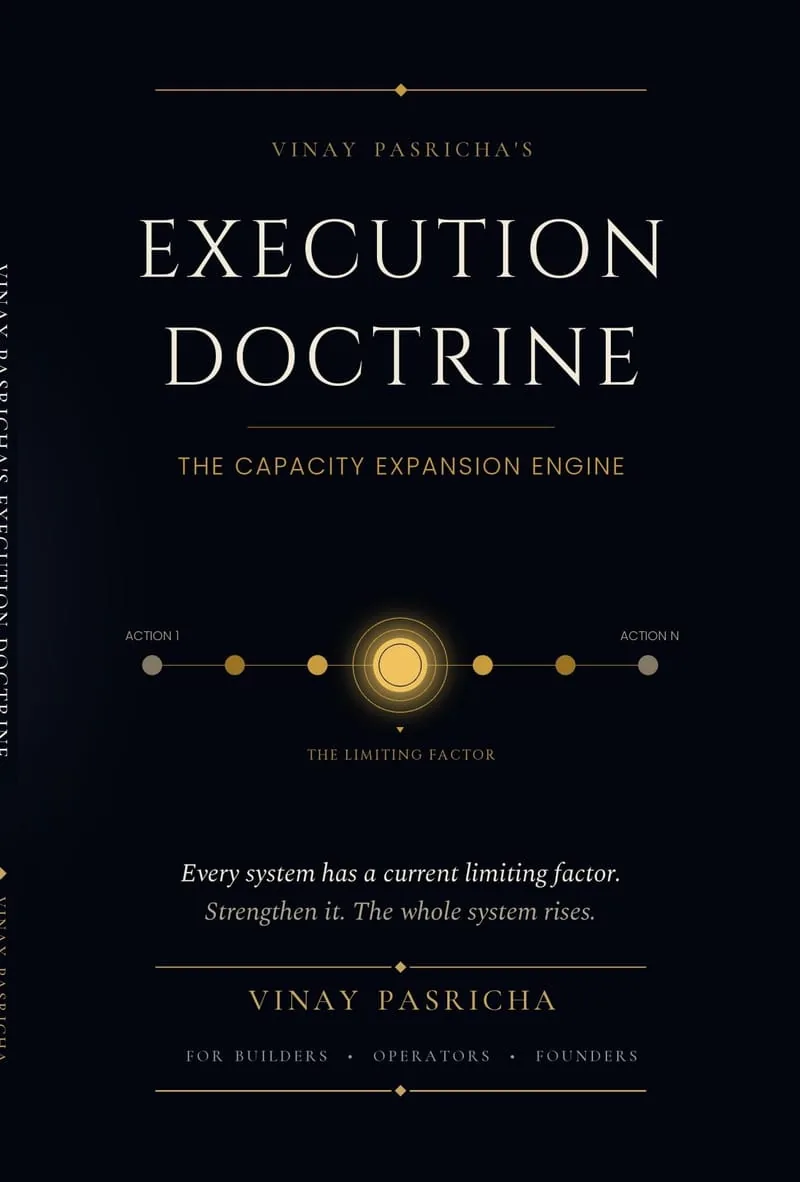
The Execution Doctrine.
One constraint governs each cycle. Identify it. Strengthen it. Repeat.
Stop optimising. Start sequencing.
The Execution Doctrine is short and dense. Three hours to read; ten years to apply. It is meant to live on the desk of an operator, not on a bookshelf.
Read the book →Eight moves from understanding to applied force.
The Doctrine begins where thinking ends. It assumes the understanding is already earned — by SIV or by some other discipline. From that ground, eight moves carry the work into the world. None is heroic. All are precise.
Locate the real constraint.
Most systems have ten visible bottlenecks and one actual one. The visible ones absorb attention; the actual one quietly determines the rate. Until you have named the real constraint — and explicitly said which it is not — every effort is a bet.
Define the smallest concrete move.
Not the best move. Not the right move. The smallest one that touches the constraint and ships within 48 hours. Smaller than feels serious. The point is to begin in contact with reality, not in a slide.
Sequence — what before what.
Most plans are lists. Lists assume order doesn't matter. It does. The cost of doing things in the wrong sequence is usually larger than the cost of doing the wrong things. Naming the sequence — and defending it — is half the doctrine.
Apply force, not motion.
Motion is what you do when you don't know where the constraint is. Force is what you apply when you do. Most teams are full of motion and short on force. Cut the motion, even if it feels productive.
Read the resistance.
Resistance is data, not failure. When a system pushes back, the question is not how do I push harder — it is what is this resistance telling me about the constraint I named? Misread resistance is the single most common doctrine failure.
Adjust the constraint, not just the move.
The temptation is to change tactics. Sometimes the right answer is to change which constraint you are working. A move that worked last quarter doesn't work now because the constraint has shifted. Diagnose before adjusting.
Let yesterday's wins become today's leverage.
Each completed move opens new moves that were impossible before. The discipline is to harvest that leverage immediately — to ride momentum forward — rather than treat each cycle as a fresh start. Compounding is the operator's superpower.
Hand off cleanly.
Execution is a relay, not a marathon. When the scope shifts, when the team changes, when the work moves from build to maintain — hand it off with the same precision you applied to the doing. A clean handoff preserves the momentum the previous cycle earned.
This is not productivity. It is applied force.
It is not productivity.
Productivity optimises output per hour. The Doctrine optimises output per insight applied. A productive person can be entirely off the constraint. A doctrinal operator may look slow, and ship more.
It is not hustle.
Hustle is the answer when you don't know what else to do. The Doctrine asks before the hustle: where is the leverage, what is the sequence, what is the smallest thing that ships? Then the work that follows is light, even when intense.
It is not project management.
Project management assumes the work is known. The Doctrine assumes the constraint is shifting and the right work is partly emergent. PM is a tool; it is not the discipline.
It is not slowness disguised as care.
Going slowly because you want to be thoughtful is often a tax on the work. The Doctrine is not slow. It is apter. Aptness sometimes looks fast, sometimes looks deliberate; it is never just slow.
The highest form of execution is mastery.
Execution is among the most consequential force multipliers in professional and personal life. It is the bridge between intention and reality, between strategic vision and tangible result, between possibility and built form. Every meaningful enterprise — whether a corporation, a product, a personal transformation, a body of work, or a long-term mission — rises or falls on the caliber of execution behind it. Ideas matter. Strategy matters. Talent matters. But ultimately, the world is shaped by what is actually executed.
Mastery in execution is not loud. It is not theatrical. It does not depend on permanent strain. It emerges from seeing the work clearly, structuring it properly, diagnosing what truly constrains it, and strengthening that point with precision.
— From the preface, “The Spirit of the Doctrine,” The Execution Doctrine.
Watch
 1:02 · Short
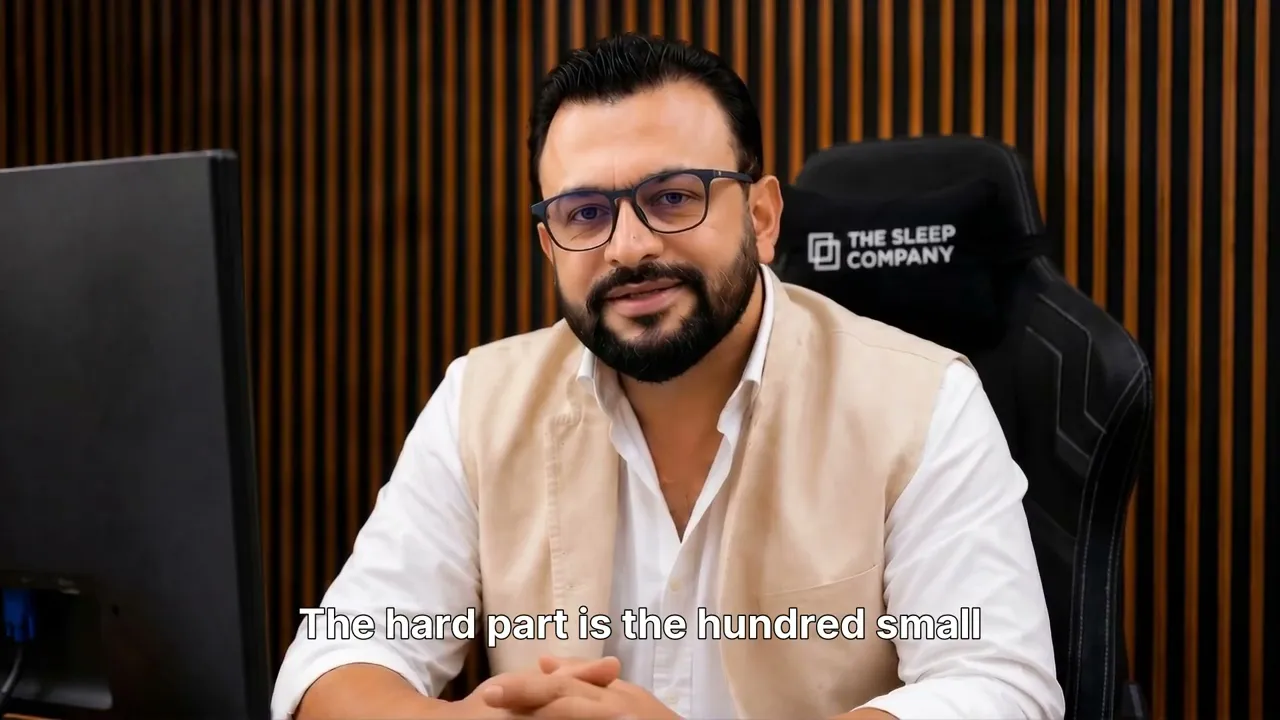
The Plan Was Never the Problem | Execution Doctrine
Why working harder doesn't close the gap between deciding and doing, and why finding your one limiting factor does. From Execution Doctrine.
 0:26 · Short
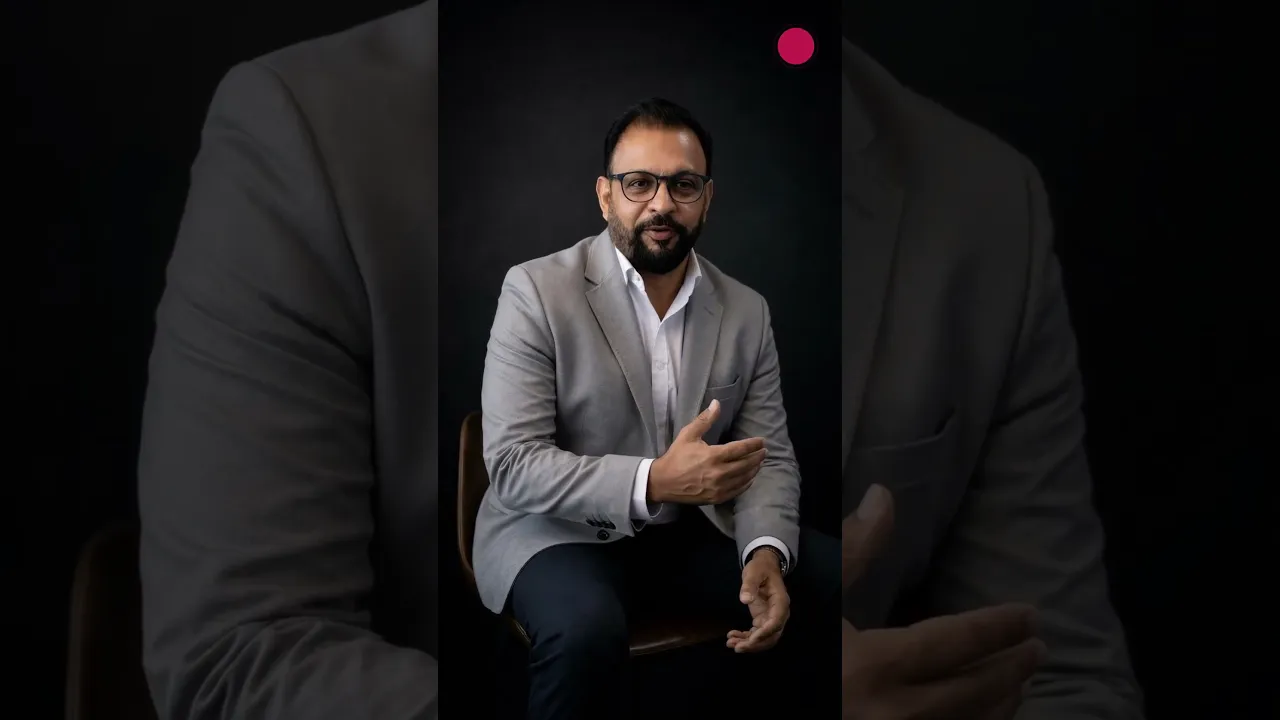
Your Dashboard Is Lying to You
You only measure what you chose to measure. Vinay Pasricha on why green metrics hide the real bottleneck: the waiting, the handoff, the unowned step.
 1:16 · Short
The Loop Nobody Runs Properly
Plan-Do-Check-Act breaks at 'Act'. Vinay Pasricha on strengthening the one constraint that limited output before the next cycle begins.
