Why the best talent never applies, and how to discover it
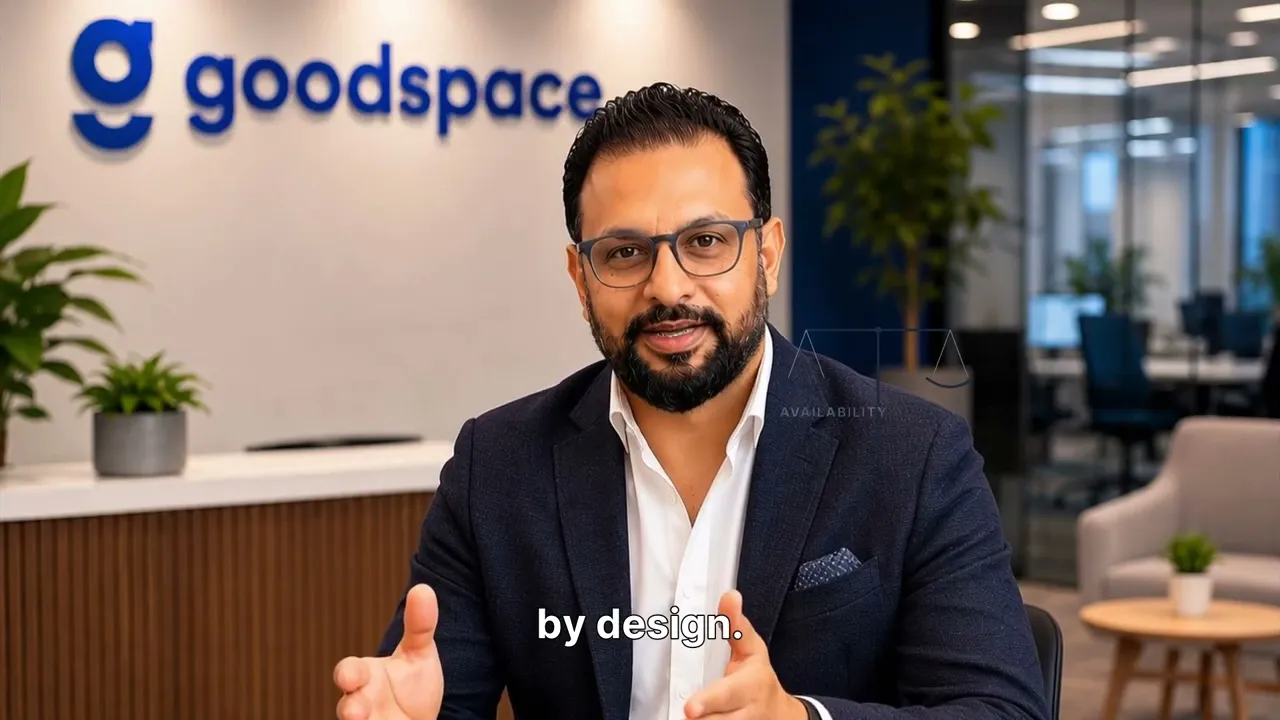
Vinay Pasricha argues that most companies don't have a hiring problem; they have a discovery problem. He describes how hiring usually works: write a job description, post it and hope the right person happens to see it, be looking and apply. "That's not a strategy, that's a lottery." You end up finding the best person who applied, not the best person for the role, and those are almost never the same. The people you actually need are already employed, good at what they do and too busy doing it well to search job boards, so the old model filters them out by design. It rewards availability over ability. He says he wrote Organizational Frequency to close this gap, because this is the age of intelligent discovery: companies no longer have to wait to be found and can match a role to the right person on actual fit, meaning what they have done, how they think and whether they genuinely thrive. But he stresses that technology is only half of it; the other half is doctrine, meaning how you think about talent and structure decisions, treating hiring as a discipline that compounds rather than a reactive scramble. A company's frequency is set by the people inside it: get them right and everything downstream gets easier; get them wrong and no strategy survives. The book, he says, is about getting people right on purpose, at scale.
Key points
- Most companies have a discovery problem, not a hiring problem.
- Post-and-wait hiring is a lottery that finds the best applicant, not the best person.
- The right people are usually employed and not looking, so job postings filter them out and reward availability over ability.
- Intelligent discovery lets companies match roles on actual fit, but it must be paired with a hiring doctrine.
- A company's frequency is set by the people inside it.
That's not a strategy, that's a lottery.
Topics
Transcript
Full transcript · 333 words
Most companies don't have a hiring problem. They have a discovery problem. Think about how hiring actually works today. You write a job description, you post it, you wait. And you hope the right person happens to see it, happens to be looking, and happens to apply. That's not a strategy, that's a lottery. You're not finding the best person for the role, you're finding the best person who applied.
And those are almost never the same thing. The person you actually need, they're not scrolling job boards. They're already employed. They're good at what they do. They're not looking because the people who are exactly right for a role are usually too busy doing it well to be searching for the next one. So, the old model filters them out by design. It rewards availability over ability. It mistakes who applied for who's best.
This is the gap I wrote Organizational Frequency to close because we are now in the age of intelligent discovery. For the first time, you don't have to wait to be found. You can go find. You can match a role to the right person based on actual fitment. What they've done, how they think, whether they genuinely thrive. Instead of who happened to refresh a career space that week.
But, the technology is only half of it. The other half is the doctrine. How you think about talent, how you structure decisions, how you stop treating hiring as a reactive scramble and start treating it as a discipline that compounds. A company's frequency is set by the people inside it. Get the people right and everything downstream gets easier. Get them wrong and no strategy survives contact. Organizational frequency is about getting them right on purpose, at scale, in a world where the best talent will never come looking for you.
If you're done leaving your most important decisions to a lottery, this is your playbook. The link to grab your copy is in the description below.
Transcribed from the video's YouTube auto-generated captions, lightly cleaned for reading. Wording may differ slightly from the audio.