Execution problem vs strategy problem: where plans die
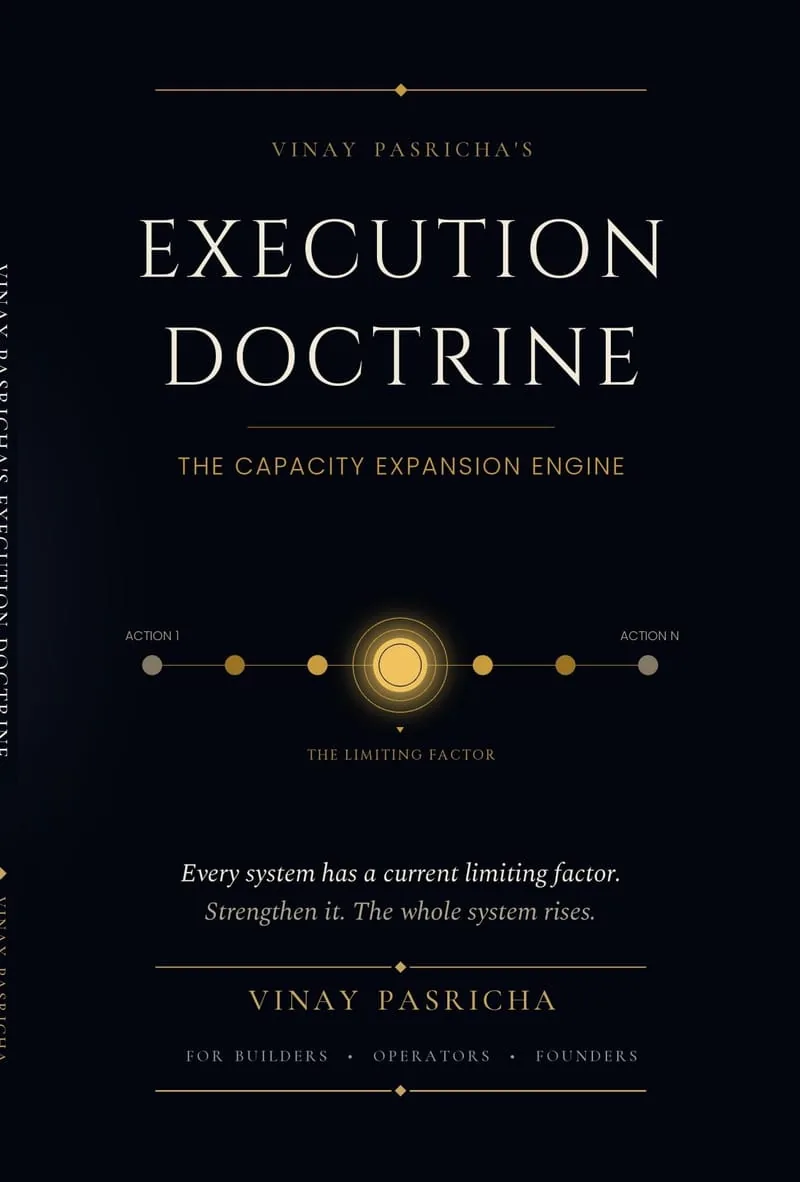
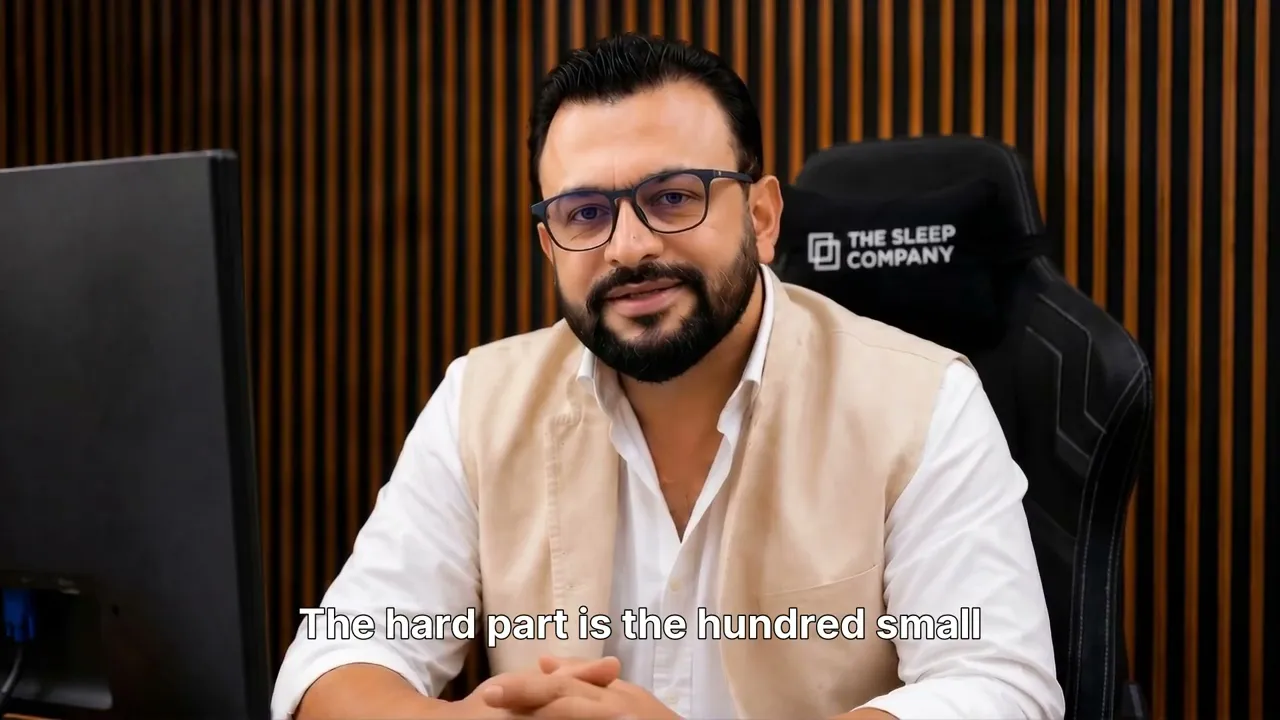
Vinay Pasricha begins with a scene most leaders recognise. Nobody fails at the whiteboard. The strategy looks brilliant, the slides are clean, everyone agrees and leaves motivated, and then nothing moves. A week passes, then a month, and nobody can say why. His diagnosis is blunt: you don't have a strategy problem, you have an execution problem. He says he has seen it in companies of every size: brilliant people, the right plan, and still the work doesn't ship. Strategy, in his words, is the easy 10%. The hard part is everything after: who owns it and by when, what gets cut to make room, what happens the first time it slips, and the hundred small decisions nobody wants to make, repeated long after the excitement wears off. That is where plans quietly die, "not in a meeting, in the silence after one." Teams that actually execute, he argues, aren't smarter and don't work longer hours; they refuse to let the gap between deciding and doing stay open. They have made execution a discipline they run on purpose every day until shipping becomes the default. That discipline is not a personality trait: it can be taught and built into any team honest enough to admit where it keeps breaking. He presents Execution Doctrine as an operating system for turning decisions into delivered outcomes, not motivation or another framework to admire.
Key points
- Strategy is the easy 10%. The hard part is ownership, deadlines, trade-offs and what happens when things slip.
- Plans die in the hundred small decisions made after the excitement fades, "in the silence after" the meeting.
- Teams that execute aren't smarter or working longer; they refuse to leave the gap between deciding and doing open.
- Execution is a discipline that can be taught, not a personality trait.
- Execution Doctrine is positioned as an operating system for turning decisions into delivered outcomes.
Strategy is the easy 10%.
Topics
Transcript
Full transcript · 319 words
Nobody fails at the whiteboard. The strategy always looks brilliant in the room. The slides are clean. The logic holds. Everyone nods. Everyone agrees. Everyone leaves the meeting motivated. And then nothing moves. A week goes by. Then a month. The plan that was going to change everything is sitting exactly where you left it. And no one can quite tell you why. Here's the truth most leaders won't say out loud.
You don't have a strategy problem. You have an execution problem. I've seen it in companies of every size, brilliant people, the right plan, and still the work doesn't ship because the plan was never the hard part. Strategy is the easy 10%. The hard part is everything after who owns it by when, what gets cut to make room, what happens the first time it slips. The hard part is the hundred small decisions nobody wants to make made over and over.
After the excitement has worn off and the work is just work. That's where brilliant plans quietly die. Not in a meeting, in the silence after one. And here's what I've learned. The teams that actually execute aren't smarter. They aren't working longer hours. They just refuse to let the gap between deciding and doing stay open. They've turned execution into a discipline, something they run on purpose every single day until shipping becomes a default and not the exception.
That discipline isn't a personality trait. It can be taught. It can be built into any team honest enough to admit where they keep breaking. That's what I built Execution Doctrine to give you, not motivation, not another framework to admire on a shelf. An operating system for turning decisions into delivered outcomes. If you're tired of watching great ideas stall, if you're done confusing being busy with being effective, this is your playbook.
Visit the link in the description to get your copy
Transcribed from the video's YouTube auto-generated captions, lightly cleaned for reading. Wording may differ slightly from the audio.