The hiring mistake companies make: reading profiles instead of finding fit
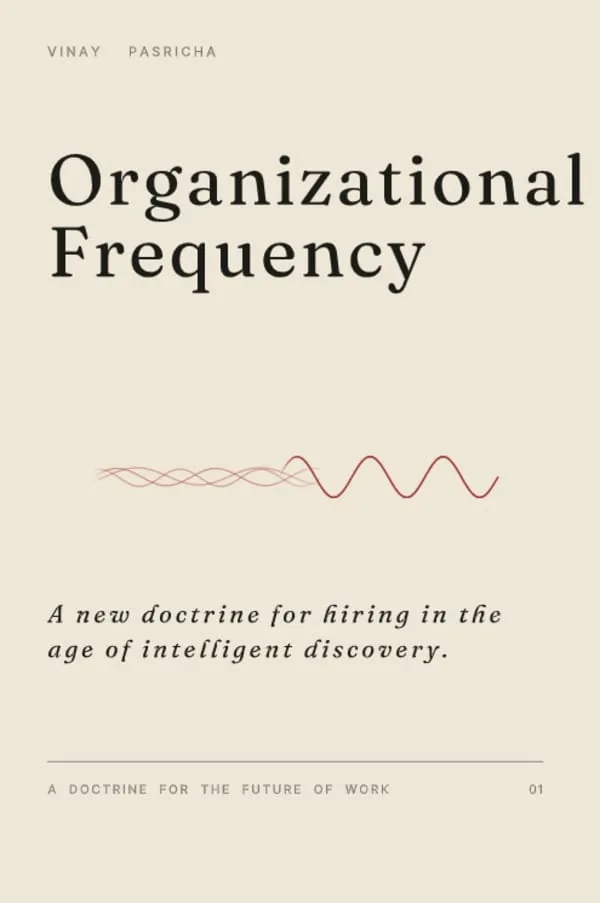
Vinay Pasricha compares hiring to how marriages have traditionally been arranged "in our part of the world." Before any meeting, families ask whether the two people come from similar worlds: background, family values, ways of living and celebrating, handling money and handling conflict. Over centuries, he says, people understood that two people don't just have to like each other; their frequencies have to match. Families built systems to check this through networks, long conversations and references from people who knew both sides. Those systems were imperfect, but the intent was right: compatibility checked in depth, over time. He then points out the absurdity of modern hiring. Nobody gets married after reading a one-page profile and having a single 45-minute meeting where both sides are on their best behaviour, yet companies hire exactly that way. One resume and one rehearsed interview lead to a commitment of nine hours a day, five days a week, for years: a marriage-sized decision made with a matrimonial-ad-sized process. He acknowledges that a job is not a marriage, since it is a contract you can leave. But he argues the core truth is the same: when frequencies don't match, no amount of skill or salary fixes it, and the mismatch shows up every Monday morning. His closing advice is not to hire from profiles but to discover frequencies, the idea behind his book Organizational Frequency.
Key points
- Traditional matchmaking checked compatibility in depth, over time, through people who knew both sides.
- Companies hire from one resume and one rehearsed interview, with both sides performing.
- A marriage-sized commitment made with a matrimonial-ad-sized process.
- A job is a contract, not a vow, but frequency mismatch still can't be fixed by skill or salary.
- Don't hire from profiles; discover frequencies.
The mismatch shows up every Monday morning.
Topics
Transcript
Full transcript · 262 words
Think about how marriages have traditionally happened in our part of the world. Before anything else, before the meeting, before the photos, the family is asked one question. Do these two come from similar worlds, similar background, similar family values, similar way of living, celebrating, handling money, handling conflict? Why? Because over centuries, we understood something profound. Two people don't just have to like each other. Their frequencies have to match.
And we built entire systems to check this. Family networks, long conversations, references, people who knew people. Imperfect, yes, but the intent was right. Compatibility checked in-depth over time by people who know both sides. Now, here's the absurd part. Nobody, nobody gets married by reading a one-page profile and having a single 45-minute meeting where both sides are on their best behavior. But companies do exactly that every single day.
One resume, one rehearsed interview, both sides performing, and then a commitment of 9 hours a day, 5 days a week for years. We give a marriage-size decision, a matrimonial ad-size process. Now, a job is not a marriage. You can leave. It's a contract, not a vow. But the core truth is the same. When two frequencies don't match, no amount of skill or salary fixes it. The mismatch shows up every Monday morning.
For centuries, we knew this about families. It's time we learned it about companies. Don't hire from profiles, discover frequencies. The book Organizational Frequency is now on Amazon. And if you want to experience the idea live, try the runtime at vinaypasricha.com. See you there.
Transcribed from the video's YouTube auto-generated captions, lightly cleaned for reading. Wording may differ slightly from the audio.